
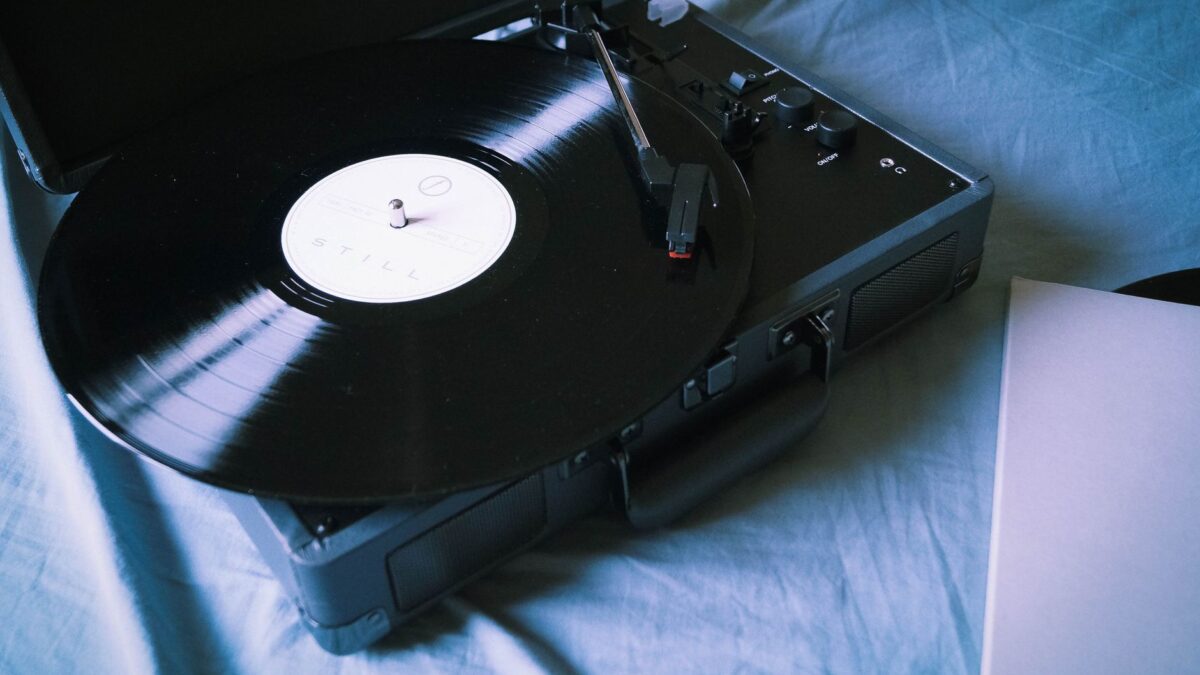
The best record player for a beginner is a belt-drive turntable with a quality pre-mounted cartridge, an automatic or simple manual operation, and either a built-in phono stage or an easy path to add one.
The turntable market is a mess to walk into cold. Prices run from twenty dollars to well over a thousand, and half the listings lean on jargon that means nothing until someone explains it. This guide focuses on what actually matters for a first deck and skips the rest.
Why Belt-Drive Wins for Beginners
Turntables come in two main motor designs: belt-drive and direct-drive. Belt-drive models isolate the platter from the motor with an elastic belt, which cuts down on vibration and motor noise reaching the stylus, so you get cleaner playback at a lower cost. Direct-drive decks spin the platter directly and are the DJ standard for instant speed and torque, but they usually cost more and offer little a home listener needs.
Demand at the entry level has never been higher. The RIAA year-end revenue report showed vinyl surpassing CD unit sales in 2022, and that surge has pushed manufacturers to pack better cartridges into affordable decks than they offered a decade ago.
Features That Actually Matter
A handful of specs separate a decent first turntable from a frustrating one. A pre-mounted cartridge means the factory already handled alignment, so a beginner skips a fiddly setup step. A built-in phono preamp lets you plug straight into powered speakers or a regular amp input without buying anything extra. An adjustable counterweight and anti-skate control are signs of a real turntable rather than a toy, since they let you set proper tracking force instead of guessing. Auto-stop lifts or halts the platter at the end of a side, so the stylus never sits riding the run-out groove after a record finishes.
Comparing the Tiers
| Tier | What You Get | Best For |
|---|---|---|
| Entry belt-drive | Pre-mounted cartridge, built-in phono stage, manual operation | First-time buyers who want plug-and-play |
| Enthusiast belt-drive | Upgradable cartridge, better tonearm, no built-in phono stage | Listeners ready to build a real hi-fi system |
| Direct-drive | High torque, instant speed, durable platter | DJs and people who want pitch control |
What to Avoid
Skip the cheap all-in-one suitcase players with built-in speakers. Most run a ceramic cartridge at a very high tracking force, and that grinds down your grooves record after record. Luminate’s year-end report counted more than 49 million vinyl albums sold in the U.S. in 2023, and records that popular are worth protecting with proper gear instead of a novelty player.
Once you own a deck, our pillar beginner’s guide to collecting vinyl walks you through the rest of the system, and our turntable setup guide gets your new player dialed in properly.
Frequently Asked Questions
Do I need a separate amplifier?
Not necessarily. If your turntable has a built-in phono preamp, you can connect it to powered (active) speakers and skip a separate amp entirely. That is the simplest first system.
Is a USB turntable worth it?
A USB output is handy if you want to digitize old records, but it adds little to pure listening quality. Buy it for the feature, not as a fidelity upgrade.
How long does an entry turntable last?
With routine care and an occasional stylus replacement, a decent belt-drive deck can last many years. The stylus is the main wear part and should be checked periodically.
Can I upgrade an entry deck later?
Often, yes. Many entry models let you swap the cartridge or add an external phono stage, which gives you a clear upgrade path as your ears and your collection grow.
The Bottom Line
For most beginners, a belt-drive turntable with a pre-mounted cartridge and a built-in phono stage is the sweet spot. Skip the suitcase players, prioritize an adjustable counterweight, and you end up with a deck that protects your records while it sounds good doing it.