
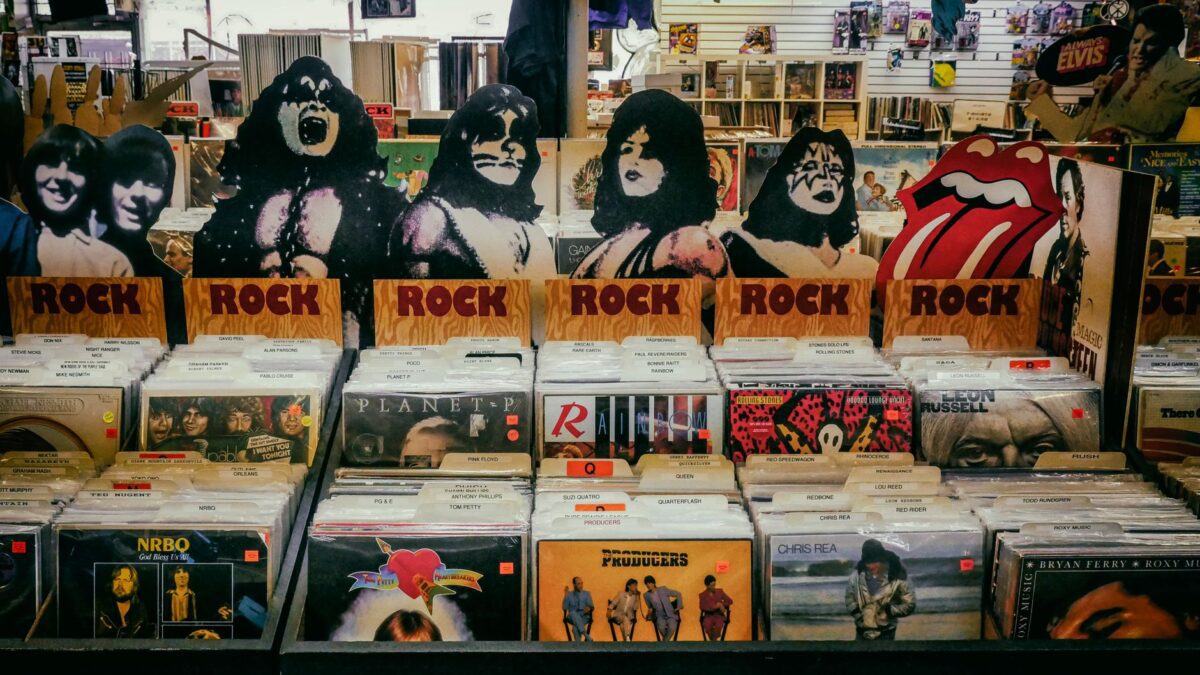
A vinyl record is an analog audio format that stores sound as a continuous physical groove pressed into a flat polyvinyl chloride disc, played back by a stylus tracing that groove.
If you grew up on alt-rock, pop-punk, or emo, there’s a good chance your favorite band has pressed a limited-run record you’ve eyed at a merch table. Vinyl has gone from thrift-store relic to the format that defines a serious music collection. This guide walks you through what a beginner needs: why the format came back, what gear you actually need, how to buy your first records, and how to keep them sounding great for decades.
Why vinyl came back
The revival isn’t nostalgia hype. According to the RIAA year-end revenue report, vinyl records outsold CDs in unit terms in 2022 for the first time since 1987, and vinyl revenue has kept growing every year since. The same RIAA data showed vinyl generated more than 1.2 billion dollars in U.S. revenue in 2022, and it remains the dominant physical format today.
Luminate’s year-end report (formerly MRC Data) found that vinyl album sales in the United States topped 49 million units in 2023, with rock and alternative titles among the strongest-selling categories. Fans want something they can hold, frame and own outright, and labels have responded with colored variants, gatefolds and exclusive pressings.
What you actually need to start
A working vinyl setup has four parts: a turntable, an amplifier (or a built-in phono stage), speakers, and the records themselves. You don’t need to spend a fortune. A solid entry rig pairs a belt-drive turntable with a decent cartridge, a small integrated amp, and a pair of bookshelf speakers.
- Turntable: Belt-drive models keep motor noise away from the stylus, which matters for clean playback. Our breakdown of the best record players for beginners covers the trade-offs in plain language.
- Phono stage: Turntables output a very quiet signal that needs special amplification. Some decks have this built in; others need an external phono preamp.
- Speakers: Powered (active) bookshelf speakers skip the need for a separate amp, which makes them the easiest path for a first system.
- Slipmat and a clean stylus: Small details that protect both your records and your sound.
How to buy your first records
Start with albums you already love, since you’ll play them constantly. New pressings are the safest bet for beginners because they arrive clean and flat. When you graduate to used crates, learn to grade condition: a record graded Near Mint will play almost silently, while a Very Good copy may have light surface noise. If you want a deeper field guide to secondhand gear, our notes on buying a vintage record player apply to records too: inspect before you buy.
Beware the so-called “loudness war.” Some modern albums are mastered specifically for vinyl with more dynamic range, which is one reason fans claim records sound warmer than the streaming version. We compare those claims head-to-head in our piece on vinyl vs streaming vs CD.
Caring for your collection
Dust is the enemy. A dirty groove sounds like crackle and can wear your stylus faster. Store records vertically, never stacked flat, to prevent warping, and keep them away from sunlight and heat. A simple carbon-fiber brush before each play removes loose dust, and a deeper wet clean restores neglected finds. Our full routine lives in how to clean and care for vinyl records, and proper shelving is covered in record storage and stands.
Good headphones round out the experience for late-night listening. If you’re building a system, see our guide to the best headphones for music lovers and the difference between studio and audiophile headphones.
Building the lifestyle
Collecting vinyl is also about the culture around it. Record Store Day exclusives, band merch and scene loyalty all feed the hobby. If the band you love is releasing limited variants, our band merch collector’s guide helps you decide what’s worth chasing and what’s filler. Once your deck is unboxed, follow our walkthrough on how to set up a turntable the right way so your first spin sounds its best.
Frequently asked questions
Do vinyl records really sound better than streaming?
It depends on the pressing and the master. Vinyl can sound warmer and more dynamic when the album is mastered well, but a worn record or cheap stylus will sound worse than a good digital file. The format is more about the listening ritual and ownership than guaranteed superior fidelity.
How much should a beginner spend on a first setup?
You can assemble a respectable system with an entry-level belt-drive turntable and powered bookshelf speakers. Avoid the cheapest all-in-one suitcase players, which often use heavy tracking force that can wear your records over time.
Can I damage my records by playing them?
Normal play with a properly aligned cartridge causes almost no wear. Damage usually comes from dust, a worn or misaligned stylus, or excessive tracking force. Keep your gear clean and set up correctly and records can last for generations.
What’s the best genre to start collecting?
Start with whatever you already listen to most. For alt-rock and emo fans, modern pressings of catalog favorites and current limited variants are an easy entry point because they’re clean, available and meaningful to you.
The bottom line
Vinyl rewards patience and care. Start with a balanced entry system, buy albums you genuinely love, keep them clean, and store them upright. Do that and you’ll have a collection that grows in both size and value while sounding the way the artist intended.