
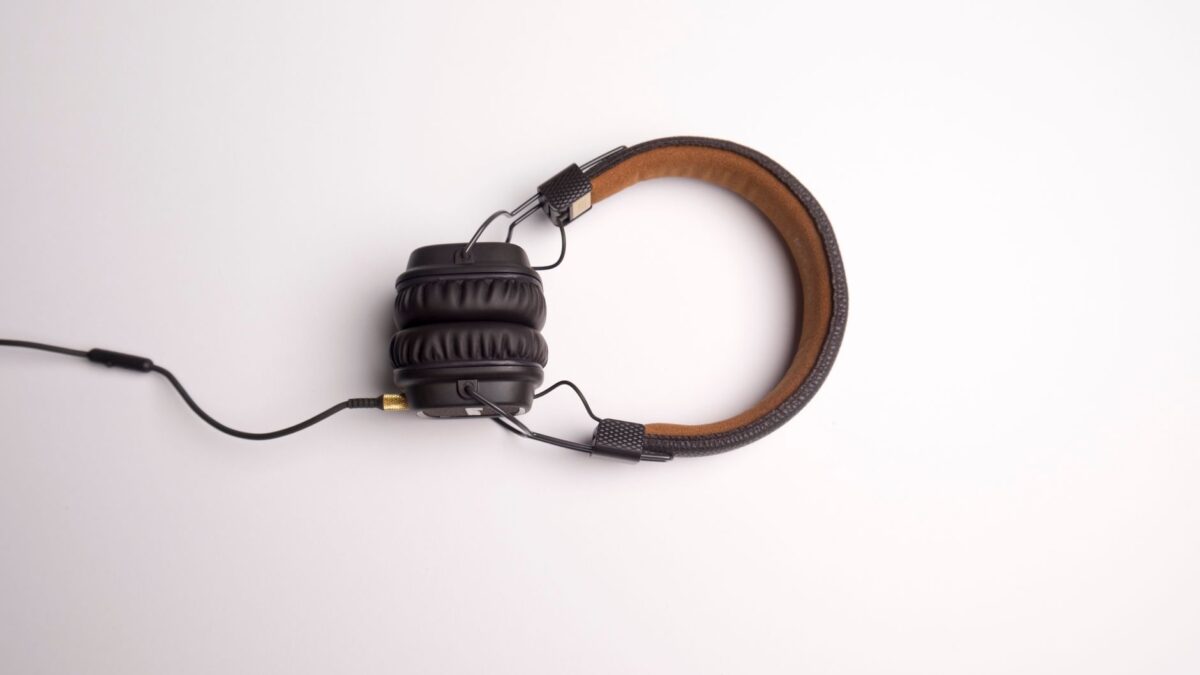
The best headphones for music lovers are full-size over-ear models with a balanced, detailed sound signature, padding built for long sessions, and a design that matches how you actually listen. The real decision isn’t a single best pair. It comes down to choosing open-back, closed-back, or in-ear, based on whether you listen at home, on the move, or on stage.
Headphones are where a lot of real listening happens, from late-night album sessions to the daily commute. But “best” depends entirely on how and where you listen. Here’s how the main types break down, so you can match a pair to your habits instead of chasing marketing hype.
Open-back vs closed-back
The biggest split comes down to earcup design. Open-back headphones let air pass through the cups, producing a wide, natural soundstage that many audiophiles love, but they leak sound and offer zero isolation. Closed-back headphones seal around the ear, blocking outside noise and keeping your music private, which makes them the better call for travel, offices, and shared spaces.
Driver types and sound
- Dynamic drivers are the most common type, delivering punchy bass and a forgiving, fun sound that works for almost any genre.
- Planar magnetic drivers are known for fast, detailed response and tight bass, usually found in higher-end over-ear models.
- Balanced armature drivers show up in most in-ear designs. They’re compact, strong on detail, but voiced differently from full-size cans.
Match the headphone to the use
| Use Case | Best Type | Why |
|---|---|---|
| Home listening | Open-back over-ear | Wide soundstage, natural detail |
| Commute / travel | Closed-back or noise-canceling | Isolation and portability |
| Workouts | Sealed in-ear | Secure fit, sweat resistance |
| Mixing / monitoring | Studio closed-back | Flat, honest response |
Do you need an amp?
Most consumer headphones run fine straight out of a phone. Higher-impedance audiophile models, though, can sound thin without a headphone amp to drive them properly. If you’re eyeing a demanding pair, factor an amp into the budget. The appetite for quality listening tracks the wider format boom: the RIAA’s year-end revenue report showed vinyl outsold CDs in units in 2022, and Luminate’s year-end report logged more than 49 million vinyl albums sold in 2023, a sign that listeners heading into 2026 care more than ever about how their music actually sounds.
If you split your time between casual and critical listening, our explainer on studio vs audiophile headphones lays out which voicing suits you, and our beginner’s guide to collecting vinyl covers building out the rest of your system.
Comfort and fit matter more than you think
Even the best-sounding headphones are useless if they hurt after an hour. For long album sessions, look for even clamping force that holds firm without squeezing, breathable earpad material, and a headband that spreads weight across the top of your head rather than digging in. Glasses wearers should favor softer pads that seal around the temples instead of pressing on them. Fit changes both comfort and bass response, so try a pair on if you can before committing, and keep in mind that a heavier metal-and-leather build feels luxurious at a desk but gets tiring on the move.
Frequently Asked Questions
Are expensive headphones always better?
No. Price often buys better build and comfort, but sound is about signature and fit. A well-voiced mid-priced pair can beat a poorly matched expensive one for your ears.
Are wireless headphones good enough for serious listening?
Modern wireless models sound genuinely good and are far more convenient day to day. Wired connections still edge ahead on absolute fidelity and zero latency, which matters most for critical listening.
Do I need noise cancellation?
Only if you listen in noisy places like trains or offices. At home, passive open-back headphones often sound better and skip the processing entirely.
How do I know if I need a headphone amp?
Check the impedance rating. High-impedance headphones generally benefit from an amp, while low-impedance models run fine from a phone.
The bottom line
Pick headphones by how you actually listen, not by hype. Open-back for home detail, closed-back or noise-canceling for travel, and a flat studio pair if you make music yourself. Match the type to your life and every session gets better. If you want isolation and a stage-ready fit instead, our complete guide to in-ear monitors covers that alternative. Protecting your hearing matters at gigs too, which is why we put together a guide to the best concert earplugs.